
Pain Diagnosis & Management in Dearborn Heights
Find the real source of dental or facial pain and treat it — with sedation available if fear is part of the problem.
Dental and facial pain affects everything — eating, speaking, sleeping, concentrating. Treating it well means understanding the complex relationship between your teeth, muscles, joints and nerves, so the treatment addresses the real cause rather than just masking the symptom.
Dr. Salam Awad brings specialised training in orofacial pain — recognised by the American Academy of Orofacial Pain Award — to diagnosing and treating pain accurately. And where treatment is needed, it can be done under sedation for patients who are anxious.
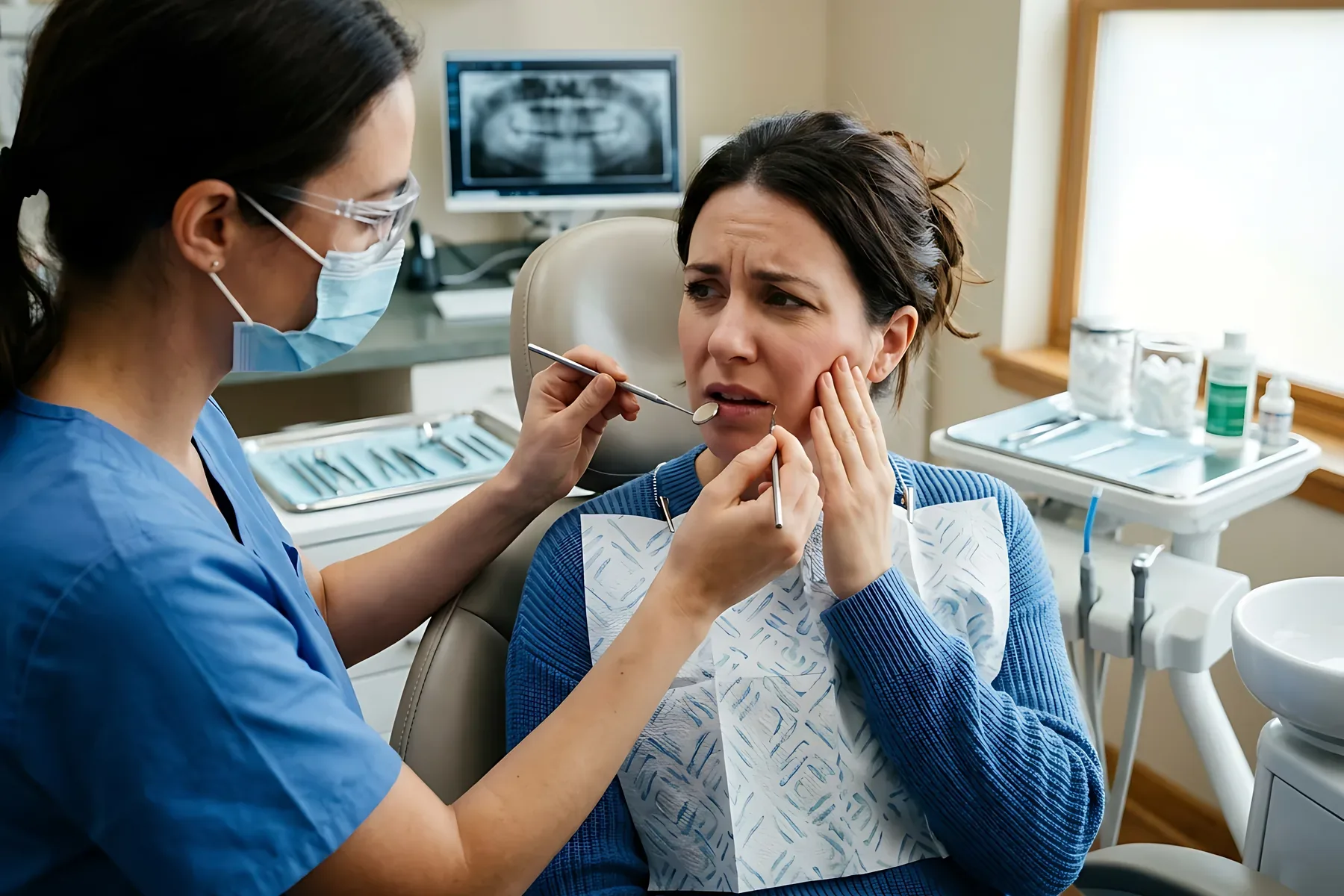
Types of dental pain
Tooth-related pain may come from cavities, cracked teeth, exposed roots or infected pulp — each with distinct characteristics that guide diagnosis and point toward the right treatment, whether that is a filling, a root canal or something else.
But not all facial pain is dental. Jaw-joint (TMJ) disorders, muscle tension, nerve irritation and even sinus problems can mimic tooth pain while needing completely different treatment — which is why an accurate diagnosis matters so much.
How we find the cause
A thorough assessment starts with your description of the pain — when it started, how long it lasts, how intense it is, and what triggers it. Dr. Awad listens for patterns and the relationship between pain and activities like chewing or jaw movement.
The clinical exam then assesses your teeth, jaw function, muscles and bite, with imaging where needed to see what is not visible. This systematic approach makes sure nothing contributing to the pain is missed.
Muscle-related pain
Aching, burning or tightness in the jaw, temples or neck often comes from clenching or grinding — during sleep or at stressful times. Treatment may include a custom night guard, help managing the habits that drive the tension, and relaxation techniques, aimed at lasting relief rather than a temporary fix.
Nerve-related pain
Sharp, shooting or burning pain — sometimes triggered by a light touch — can point to nerve conditions such as trigeminal neuralgia, which need a different approach entirely. Accurate diagnosis is essential, and management may involve coordinating care with medical professionals. Early intervention often gives better outcomes.
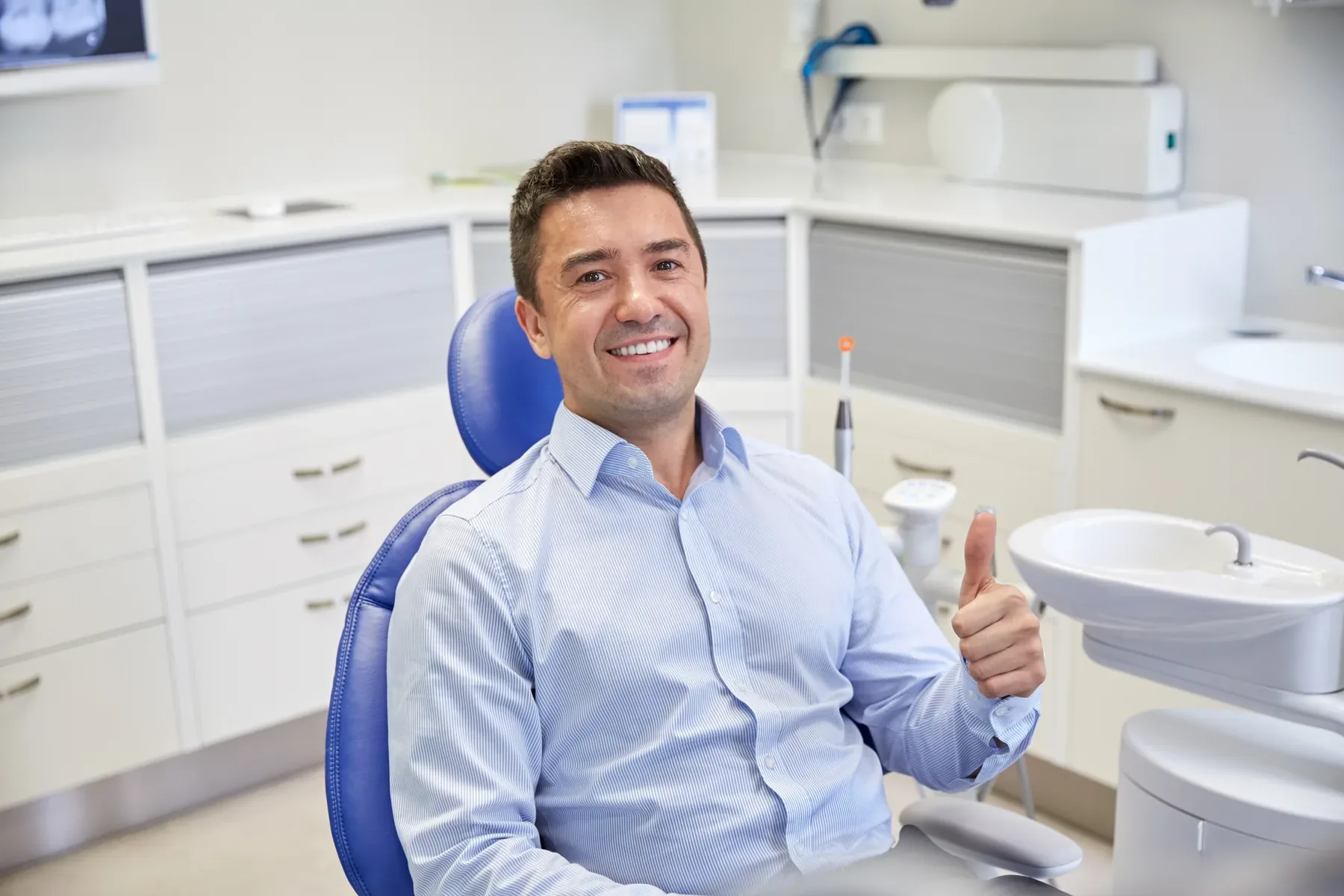
Treatment under sedation
Being in pain and being afraid of the dentist is a miserable combination — and it is exactly the combination that keeps people suffering longer than they should.
Once the source of your pain is identified, any treatment needed can be carried out under sedation, so anxiety never becomes the reason you stay in pain.
Frequently asked questions
Don't live with the pain
If dental or facial pain is affecting your life, book an evaluation — and know that any treatment can be done under sedation.