
Dental Bridges in Dearborn Heights
Close the gap of a missing tooth with a fixed, natural-looking bridge — available under sedation.
Missing teeth affect more than your smile — they change how you eat and speak, alter your facial appearance, and can knock your confidence. A dental bridge closes the gap with custom, natural-looking teeth that are permanently fixed in place.
However the tooth was lost — injury, decay or gum disease — the goal is the same: a restoration that blends with your remaining teeth. And if fear is part of why the gap has been there a while, the whole treatment can be done under sedation.
What are dental bridges?
A dental bridge is a custom-made device that "bridges" the gap left by one or more missing teeth. A traditional bridge uses one or more artificial teeth held in place by crowns on the natural teeth on either side of the gap. It is fixed permanently in your mouth, giving stability and function close to natural teeth.
Bridges are made from porcelain, ceramic or porcelain fused to metal, matched to the colour of your natural teeth for a seamless result.
Types of bridges
- Traditional bridge — artificial teeth supported by crowns on the healthy teeth either side of the gap. The most common type, suitable for most situations.
- Cantilever bridge — anchored on just one side, for cases where there is a healthy tooth on only one side of the gap.
- Maryland (resin-bonded) bridge — a conservative option for front teeth that bonds wings to the backs of adjacent teeth, preserving more natural tooth structure.
- Implant-supported bridge — supported by implants rather than natural teeth, preserving the jawbone and leaving neighbouring teeth untouched.
Benefits of a bridge
Restored function
Chew and speak comfortably again, with bite forces spread evenly across your teeth.
A fuller smile
Fills out your smile and supports the facial tissues that can sag when teeth are missing.
Keeps teeth in place
Stops the neighbouring and opposing teeth drifting into the gap, which can cause bite problems.
Long-lasting
With good care, a bridge commonly lasts 10–15 years or more.
The bridge process
Consultation
We assess your oral health and the teeth around the gap, take digital images, and plan the right kind of bridge for you.
Preparation & impressions
The supporting teeth are prepared and an impression or scan is taken so your bridge is made to fit precisely. A temporary bridge protects the area meanwhile.
Fitting
Your custom bridge is checked for fit, bite and colour, then fixed into place.
Bridges under sedation
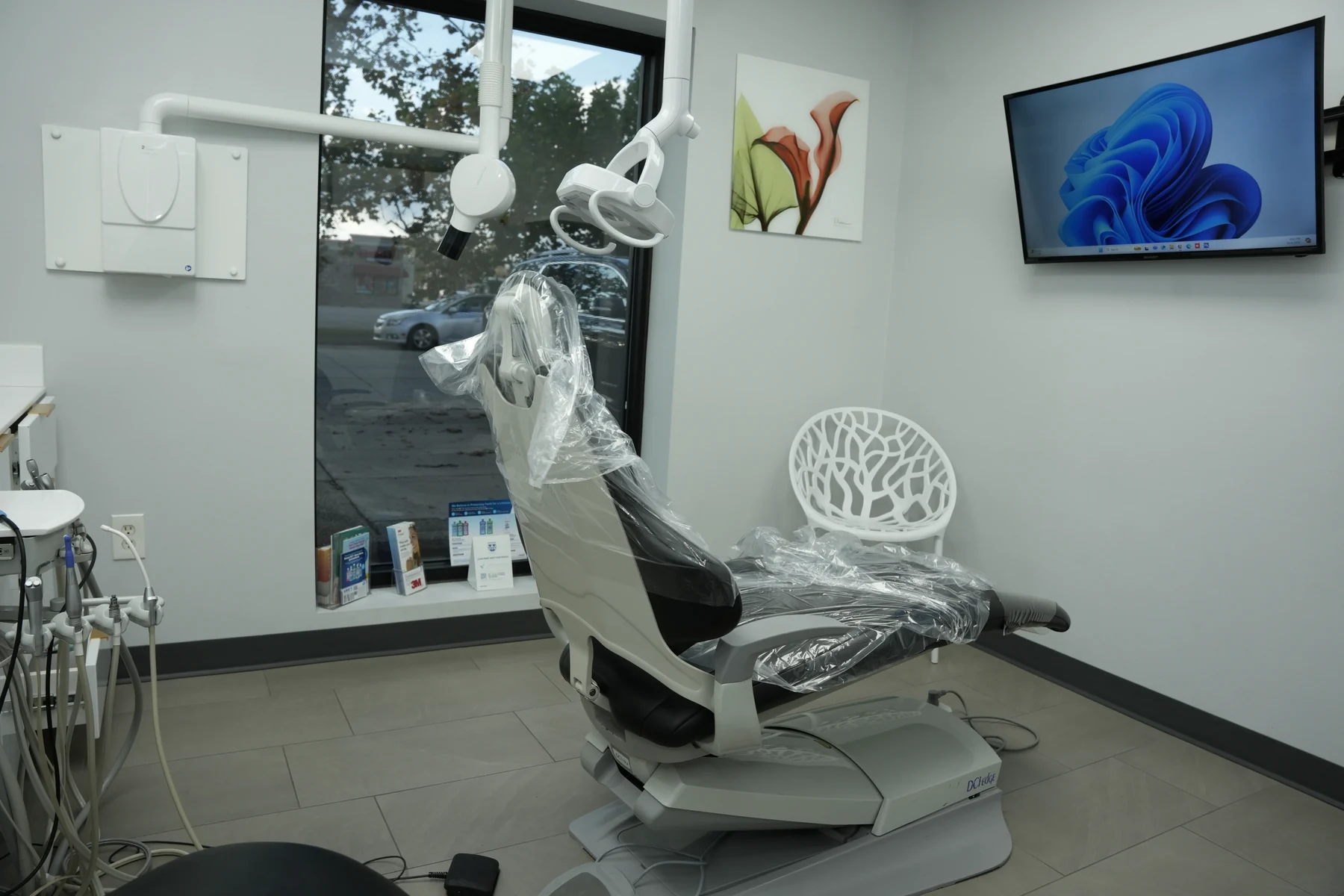
If a missing tooth has gone unreplaced because you dread dental appointments, you are in the right place. Bridge treatment can be carried out while you are comfortably sedated, from light nitrous oxide to deep IV sedation.
Frequently asked questions
Fill the gap — comfortably
Book a consultation to see whether a bridge is right for you, and ask about having it done under sedation if the dentist makes you anxious.