Braces in Dearborn Heights
Precise, reliable correction for even complex alignment — a gentle, needle-free experience at any age.
Traditional braces remain one of the most effective, reliable ways to correct misalignment and create a beautifully straight smile. While clear aligners have grown popular, braces still offer unmatched precision and control for complex cases — making them an excellent choice for patients of all ages.
Our experienced dentists provide orthodontic care using both braces and modern alternatives, with personalised treatment and comfort throughout. And any dental work you need alongside it can be done under sedation if the dentist makes you anxious.

How braces work
Braces use brackets bonded to your teeth, connected by a thin archwire that applies gentle, controlled pressure to guide your teeth into position over time. At each adjustment, the wire is tightened or replaced to continue the movement.
That steady pressure stimulates the bone around your tooth roots so the teeth move safely and stay put once treatment is complete — which is why braces give such precise, lasting results, even for cases other treatments cannot address.
What braces treat
- Severe crowding — where teeth overlap significantly for lack of space
- Large gaps or spacing — excess space that affects function and appearance
- Overbite — upper teeth extending too far over the lower
- Underbite — lower teeth protruding beyond the upper
- Crossbite — upper and lower teeth that do not meet properly
- Complex rotations — teeth severely twisted in their sockets
Because braces can address several issues at once, they are often the right tool for comprehensive correction.
Modern braces are more comfortable
Today's brackets are smaller, smoother and more comfortable than the bulky metal of the past. Advanced archwires apply consistent, gentle force and often reduce the number of adjustment visits needed — making the whole experience easier than braces used to be.
Braces or Invisalign?
Both straighten teeth; they simply suit different cases. Braces give the most control for complex bites and rotations, while Invisalign is virtually invisible and removable, ideal for milder alignment. At your consultation we will tell you honestly which is the better fit for your teeth and your life.
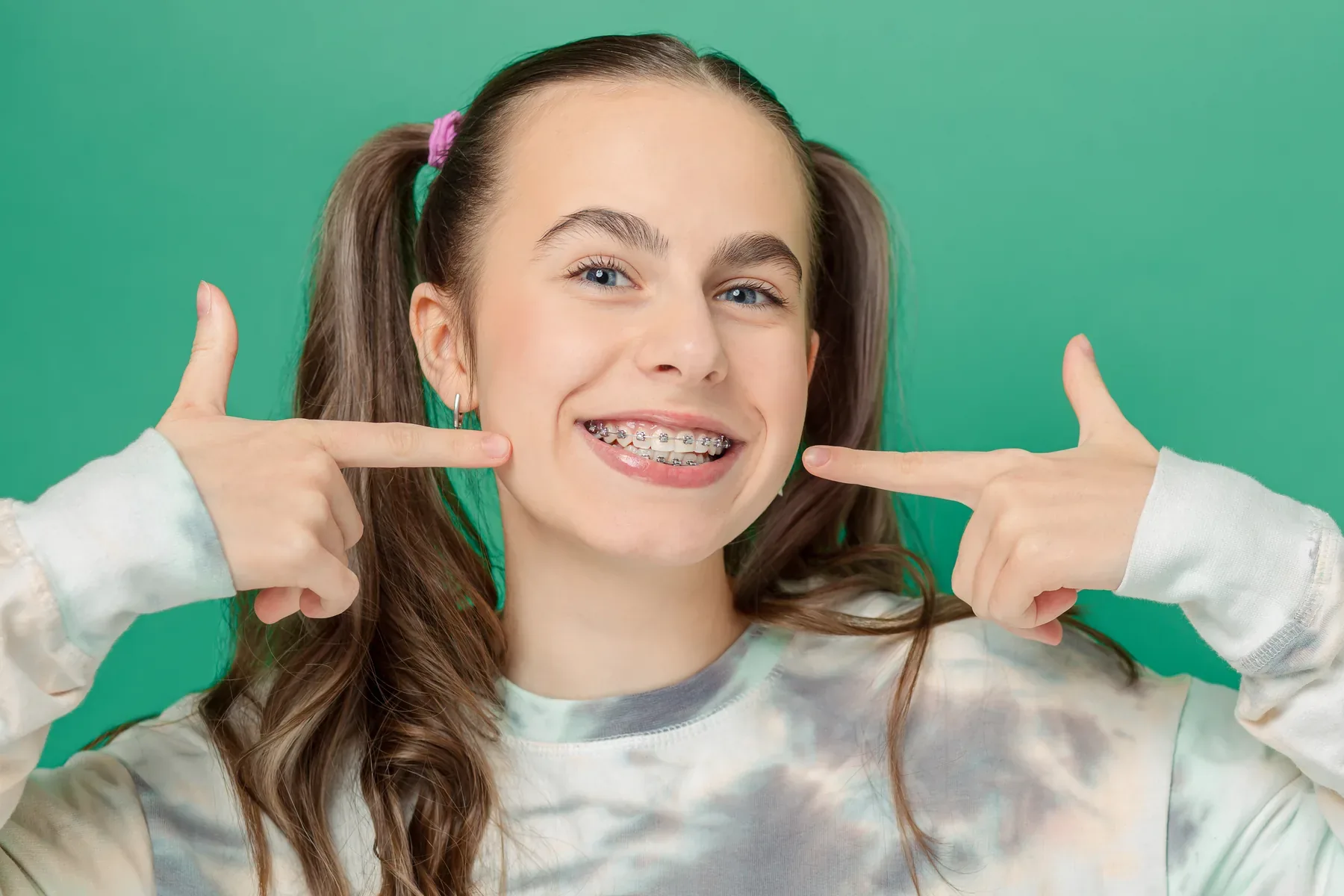
A gentle experience
Orthodontic appointments are among the least stressful in dentistry — no drill, no injections. But if dental anxiety runs deep, or if you need other treatment before or during your orthodontics, all of it can be done under sedation.
Frequently asked questions
Straighten your smile with confidence
Book a consultation to find out whether braces or clear aligners are right for you.