
Endodontic Care in Dearborn Heights
Relieve tooth pain and save your natural tooth — and if the words 'root canal' make you anxious, have it done under sedation.
When tooth pain strikes, prompt treatment matters. Endodontic care treats the inside of the tooth to relieve pain, clear infection and — crucially — save your natural tooth rather than lose it.
We know root canal treatment is the procedure people fear most, often needlessly. We take time to explain every step, and if that is not enough on its own, the whole treatment can be done under sedation.

What is endodontic care?
Endodontics treats the inside of the tooth — the pulp, which holds the nerves and blood vessels. Deep decay, a crack, trauma or repeated dental work can leave the pulp infected or inflamed, which causes real pain and, untreated, an abscess.
Treatment removes the damaged pulp, cleans and shapes the canal, and seals it to prevent further infection — ending the pain and keeping the tooth in place.
Signs you may need endodontic treatment
- Persistent tooth pain, especially when chewing or under pressure
- Prolonged sensitivity to hot or cold
- A darkening or discoloured tooth
- Swelling and tenderness in the nearby gums
- A recurring pimple-like spot on the gum
- Deep decay or a cracked tooth
If any of these sound familiar, book an evaluation soon — early treatment usually means a simpler, more comfortable outcome.
Our endodontic services
Root canal therapy
The most common endodontic treatment — comfortable, effective, and usually done in one or two visits.
Root canal retreatment
Where a previously treated tooth develops new problems, retreatment can still save it.
Cracked teeth
Cracks that reach the pulp cause pain and risk infection; endodontic care relieves symptoms and preserves the tooth.
Dental trauma
From minor chips to knocked-out teeth, prompt treatment gives an injured tooth its best chance.
What a root canal involves
Numb and access
The area is thoroughly numbed for your comfort, and a small opening is made in the tooth.
Clean and shape
The inflamed or infected pulp is removed and the canal is cleaned and shaped with precision.
Fill and protect
The canal is filled and sealed, and a crown is usually placed afterward to protect and restore the tooth.
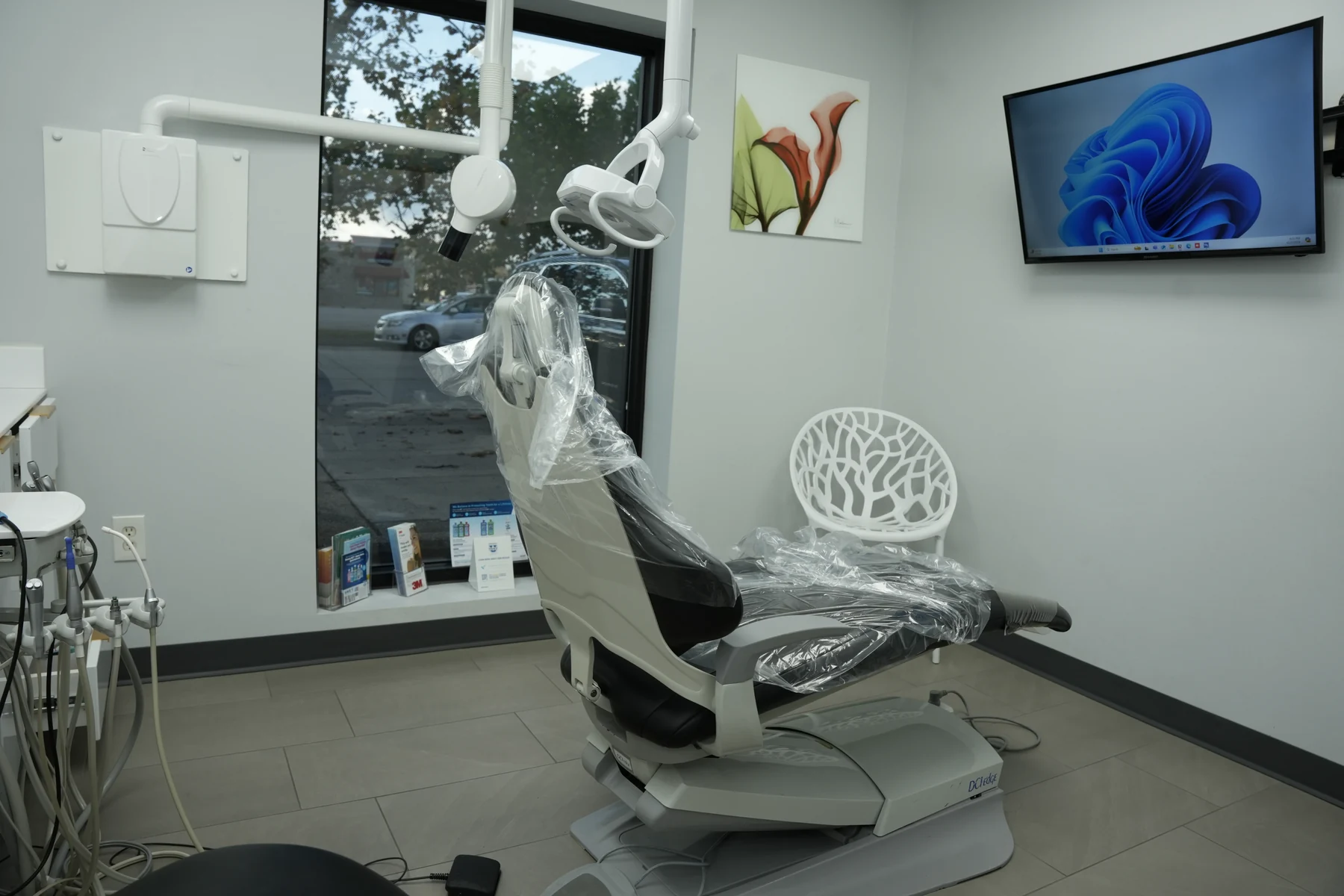
Root canals under sedation
No treatment carries more fear than a root canal, and that fear keeps people in pain far longer than they need to be. It does not have to.
The entire treatment can be carried out while you are comfortably sedated — from nitrous oxide to IV sedation deep enough that most patients remember nothing of it. You arrive in pain and leave relieved, with little memory in between.
Frequently asked questions
Relieve the pain — comfortably
If you are in pain, do not wait it out. Book a consultation, and ask about having treatment done under sedation.