
Tooth-Coloured Fillings in Dearborn Heights
Repair a cavity with a natural-looking filling — and if it's fear that's kept you away, have it done under sedation.
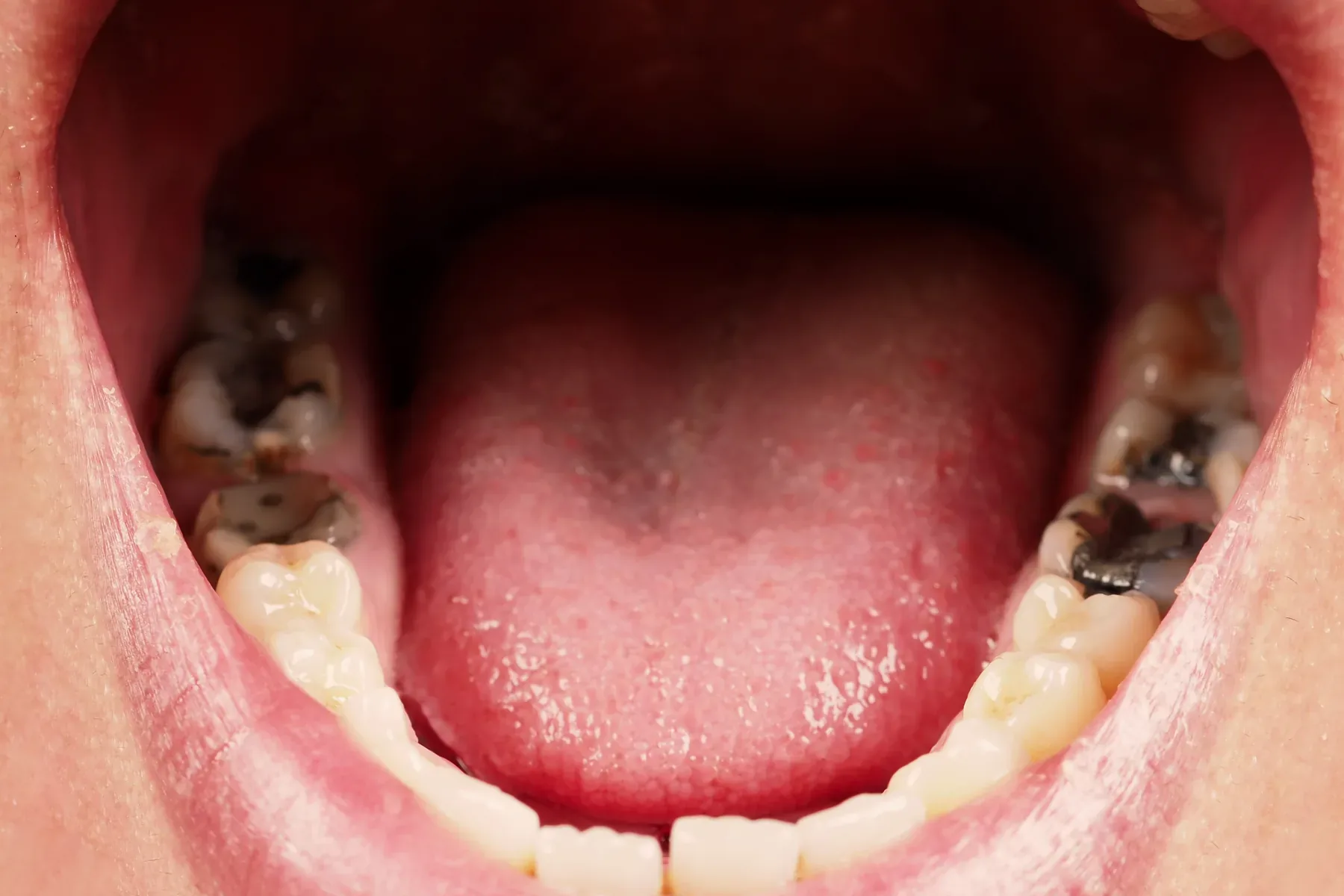
A dental filling repairs a tooth damaged by decay, restoring its natural function and appearance while preserving as much healthy tooth as possible. Modern materials make fillings so natural-looking you will forget which teeth were treated.
At SmilePro Dental in Dearborn Heights, Dr. Salam Awad uses tooth-coloured materials and a gentle, precise technique. And because dental fear is the most common reason a small cavity is left until it becomes a big problem, fillings can be done under sedation.

What are fillings?
A filling repairs a tooth after the decayed part has been removed, sealing the space so bacteria cannot get back in and restoring the tooth's shape and strength. Caught early, a cavity is a quick, straightforward fix.
Left untreated, decay spreads — and what would have been a simple filling can turn into a crown or a root canal. Treating it promptly is always the smaller appointment.
Filling materials
- Composite resin — the most popular choice: tooth-coloured, bonds to the tooth, needs minimal preparation, and is virtually invisible even on front teeth.
- Amalgam — still used occasionally for large restorations in back teeth where strength is the main concern.
- Glass ionomer — releases fluoride over time and bonds chemically to the tooth, useful in areas prone to recurring decay.
Dr. Awad talks through the pros of each material so you can choose the right one for your tooth.
The filling process
Numb and prepare
The tooth is fully numbed for your comfort, then the decayed tissue is gently removed while preserving as much healthy tooth as possible.
Place the filling
For composite fillings the material is built up in layers and set with a curing light, matched precisely to your tooth's colour and shape.
Shape and polish
The filling is shaped, your bite is checked and adjusted, and the surface is polished smooth — leaving a restoration that looks and feels like your natural tooth.
Caring for a new filling
Some temperature sensitivity in the first few days is normal and settles as the tooth adjusts; an over-the-counter pain reliever helps if needed. Your bite may feel slightly different at first and usually settles quickly.
Good hygiene matters most where the filling meets the tooth — brush with fluoride toothpaste and floss daily to keep those margins clean and prevent new decay.
Fillings under sedation
The frustrating thing about dental fear is that it turns small problems into big ones — a cavity ignored because of the chair becomes a root canal. Sedation breaks that cycle.
A filling can be done comfortably under light nitrous oxide, which wears off in minutes so you can drive yourself home, or deeper sedation if your anxiety is more severe.
Frequently asked questions
Treat the cavity before it grows
A small cavity is a small appointment — book a consultation, and ask about sedation if that is what has kept you away.