
IV Sedation
Deep relaxation for anxiety-free dental care — adjusted continuously through your appointment, with little or no memory afterwards.
For patients with severe dental anxiety, complex treatment plans or a gag reflex strong enough to defeat lighter methods, IV sedation offers a deeper level of relaxation and a genuinely stress-free appointment.
At SmilePro Dental in Dearborn Heights it is what we use when treatment needs to be comfortable, controlled and — often — completed in a single sitting rather than spread across several visits.
What is IV sedation?
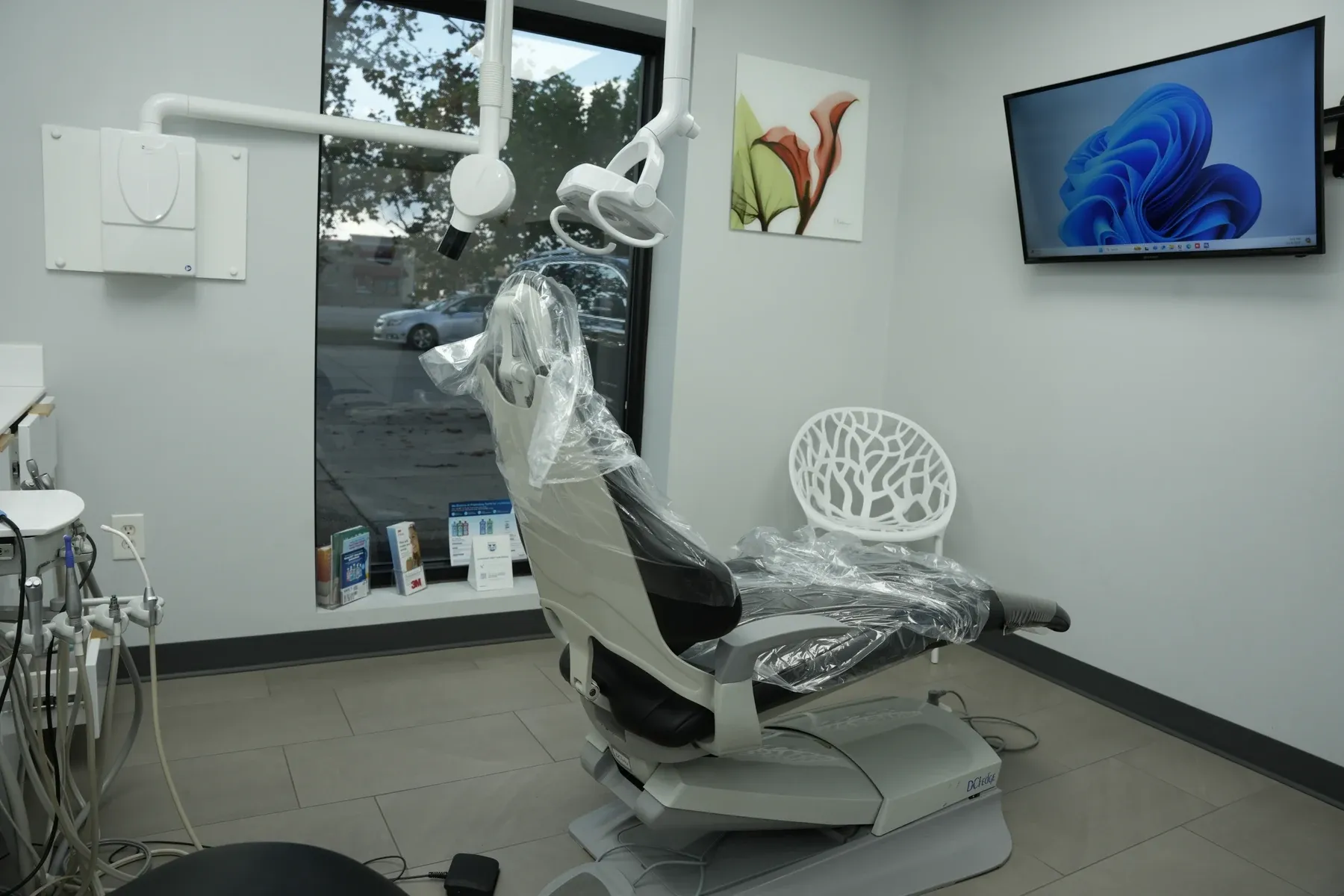
Intravenous sedation means delivering sedative medication directly into the bloodstream through a fine line, producing a deep state of relaxation. You remain conscious and able to respond when we speak to you, but you feel completely calm — and you may have little or no memory of the procedure afterwards.
Patients often describe it as twilight sleep, and that is a fair description. Time disappears. A two-hour appointment collapses into what feels like minutes; people frequently ask when we are going to start, having already finished.
Benefits of IV sedation
Deep relaxation
The deepest level of comfort we offer in-office — which is why it suits patients whose anxiety has defeated lighter options.
Works almost immediately
Because the medication goes straight into the bloodstream, it takes effect within moments rather than building gradually.
Adjustable throughout
The level is controlled and adjusted by your dentist as treatment proceeds — deepened for the demanding parts, eased back afterwards.
A comfortable experience
Combined with local anesthetic, IV sedation removes both the discomfort and the awareness that make dental treatment hard to face.
Calms a strong gag reflex
Particularly useful for patients whose gagging has made ordinary treatment difficult or impossible.
The memory effect
Most patients retain little or no memory of the procedure, so the appointment leaves nothing behind to add to the fear.
Who can benefit from IV sedation?
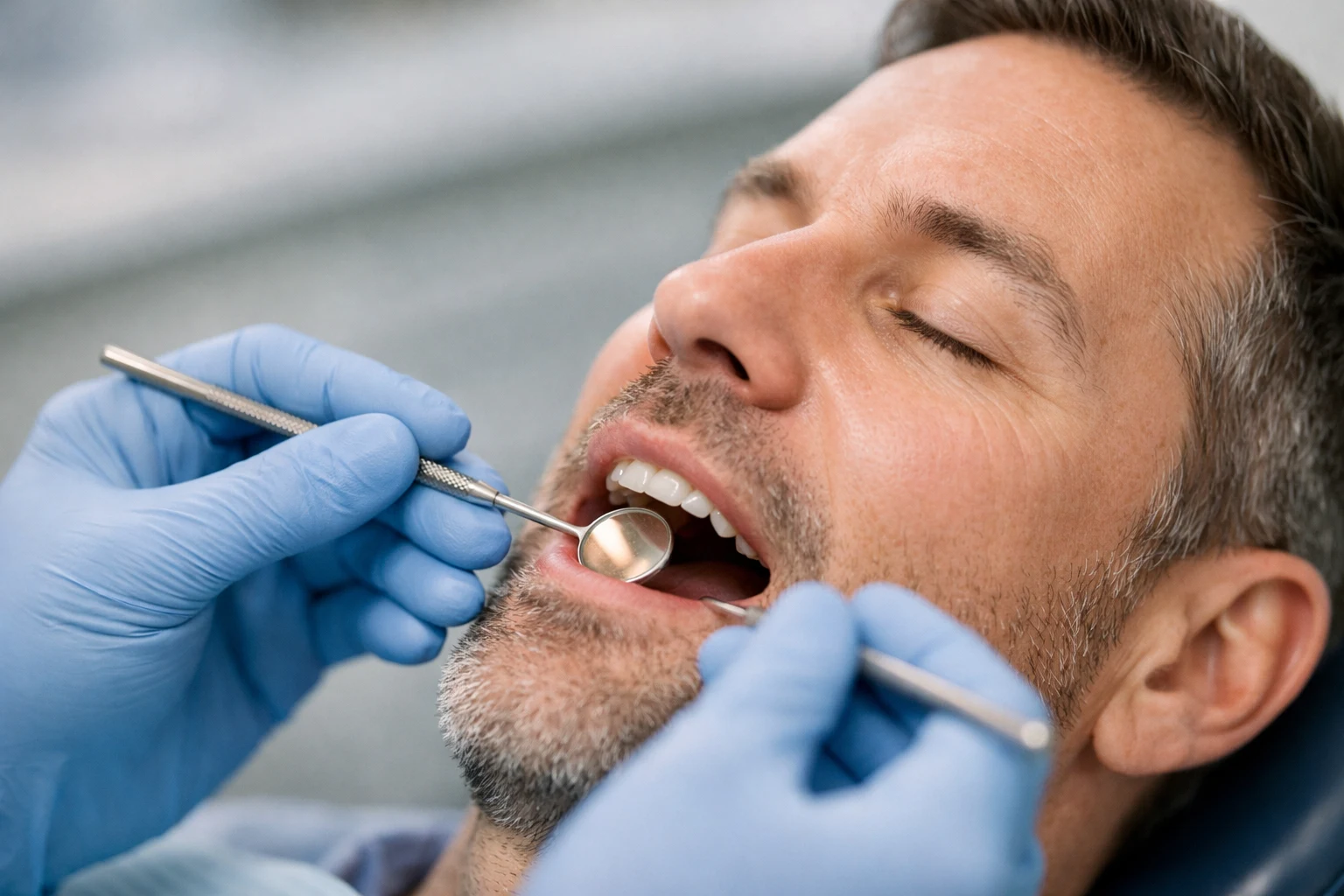
IV sedation is a strong option for patients who:
- Have severe dental anxiety or a diagnosed phobia
- Need several complex procedures completed in one visit
- Find it difficult to sit still for an extended appointment
- Have a gag reflex that interferes with treatment
- Have sensitive teeth, or are hard to get numb with local anesthetic
- Are having oral surgery, wisdom teeth removed or implants placed
Some medical histories make IV sedation inappropriate or point toward a different approach — respiratory conditions, pregnancy, certain medications and previous adverse reactions all matter. Nothing is scheduled before the health review; see the candidacy guide.
Is IV sedation safe?
Yes. IV sedation is a long-established and widely used method of delivering anxiety-free dental treatment. What makes it safe in practice is close monitoring: your vital signs are watched continuously rather than checked at intervals, and you are never left unattended while sedated.
The line itself is also a safety feature, not merely a delivery route — it means access is already in place should anything need to be given quickly.
What to expect with IV sedation
Before your appointment
- A thorough review of your medical history to confirm IV sedation is safe for you.
- Fasting instructions are provided — typically no food or drink for several hours beforehand.
- You must arrange a responsible adult to drive you home afterwards.
During the procedure
- A small IV line is placed in your arm or the back of your hand.
- The level of sedation is adjusted for your comfort as treatment goes on.
- You stay conscious but deeply relaxed, with minimal awareness of the procedure.
- Your vital signs are monitored throughout.
After the procedure
- You may feel drowsy or groggy for several hours.
- No driving and no machinery for the remainder of the day.
- Most patients have little or no memory of the treatment.
- A friend or family member should stay with you until the sedation has fully worn off.
How to prepare for IV sedation
- Follow your fasting instructions precisely. This is the single most important preparation step for deeper sedation.
- Wear loose, comfortable clothing, with sleeves that move easily so the line can be placed without fuss.
- Arrange someone to drive you home, and ideally to stay with you afterwards.
- Tell us about every medication and condition, including anything over the counter and any supplements.
- Plan to rest for the remainder of the day. Clear your calendar rather than hoping to work later.
Frequently asked questions
For the treatment you have been putting off longest
IV sedation is how patients with severe anxiety finally get years of dental work finished — usually in far fewer visits than they expected. Book a consultation to find out whether it is right for you.